Hunting Land: Food Plots, Trails & Shooting Lanes
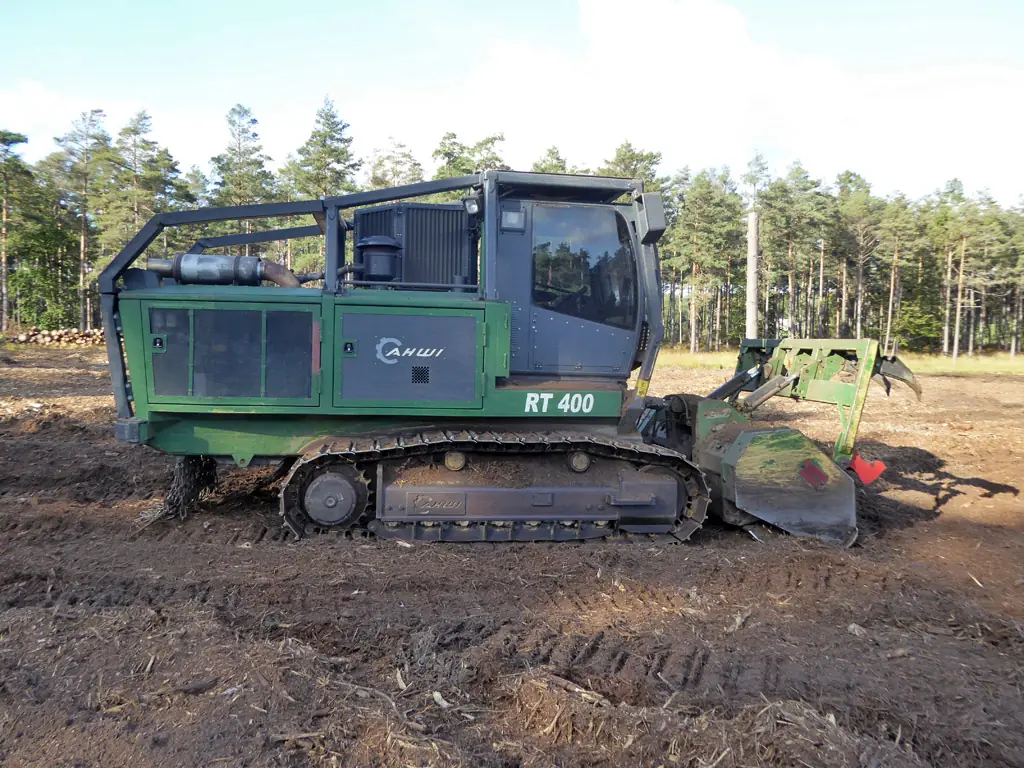
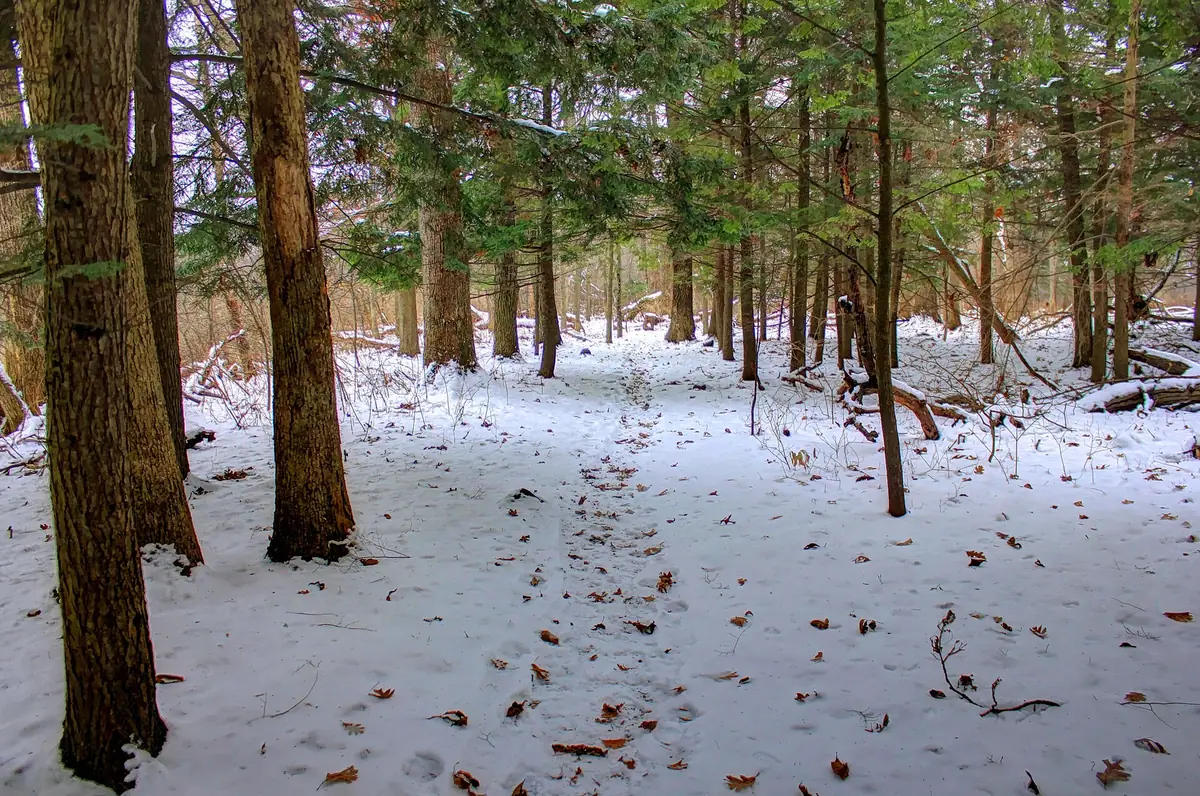
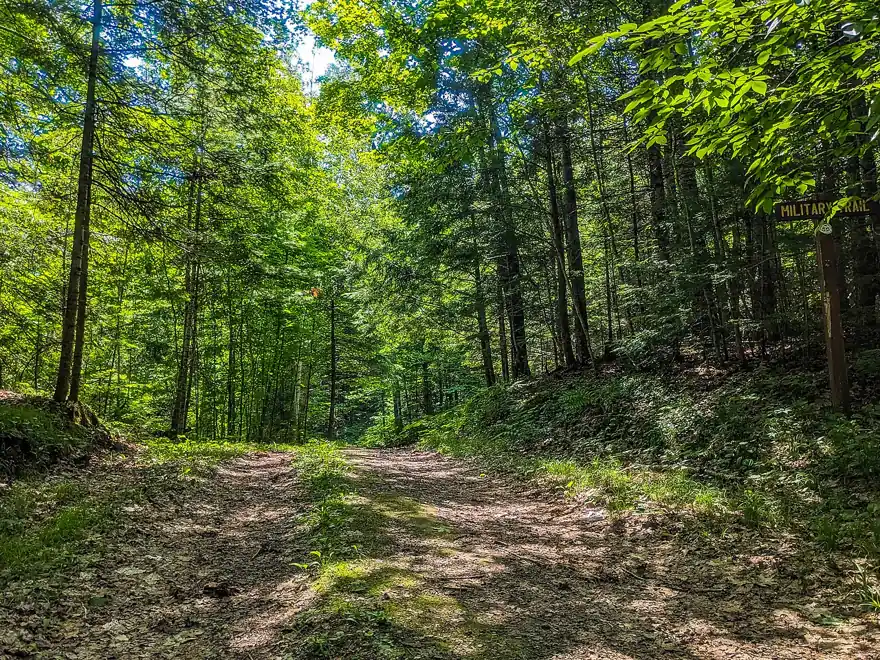
Central Wisconsin is deer country, and a lot of the land we clear is hunting land: forty or eighty acres of mixed woods, aspen, brush and swamp edges that someone wants to hunt better. Forestry mulching fits that work well because it opens ground without bulldozed berms, burn piles or bare dirt that spooks deer and washes out. We clear small hidden food plots tucked into the timber and larger plots along old field edges, cut quiet access trails so you can reach your stands without blowing deer out of their beds, open shooting lanes from stand sites, and soften hard field edges into feathered cover. On ground that's gone too far to tall, open timber, mulching patches of the understory sets back the clock and brings back the young growth deer browse. Spring and summer jobs are scheduled well ahead of the season, and winter frozen-ground work is common on wetter properties. We'll walk it with you, talk through where the deer move, and price it in writing before work starts.
What's included
- Food plots cleared in the woods and along field edges, stumps ground for planting
- Access trails routed to stands for quiet entry and exit
- Shooting lanes opened from stand and blind sites
- Soft, feathered edges cut along fields and openings
- Understory patches mulched to bring back browse and cover
- Trails for ATVs and side-by-sides to plots and stands
- Work scheduled around the season and, on wet ground, the freeze
- Mulched ground left ready for tillage or no-till planting
- A written price before work starts
Sound like your property?
If any of these sound familiar, tell us about the land. We'll tell you what it probably needs, confirm it on a walk-through, and give you a written price before any work starts.
- Your hunting land has no openings or food sources
- You bump deer every time you walk to your stand
- Old shooting lanes have grown shut
- The woods have matured into open timber with little browse
- You want to plant food plots but the ground is grown up
You may also need
Hunting Land & Food Plots — FAQs
Small hidden plots of a quarter to a half acre tucked into cover often get more daylight use than big open fields. Larger plots of one to three acres along field edges can feed more deer through the winter. We’ll clear what fits your land and your plan. See clearing hunting land for food plots.
Late winter and spring give the ground time to settle before summer planting, and the deer have months to get used to the change before the season. Frozen-ground work in winter is best on wet properties. We avoid busy work close to the season if you ask.
Usually after some work. A heavy mulch layer ties up nitrogen as it breaks down, so most people disk or till it in, add lime and fertilizer based on a soil test, and plant a forgiving crop like rye, oats or clover the first year.
Yes. Shooting lanes are cut narrow, offset and selective, so they give you clear shots without turning the stand site into an open field.