Buckthorn & Invasive Brush Removal in Wausau, WI
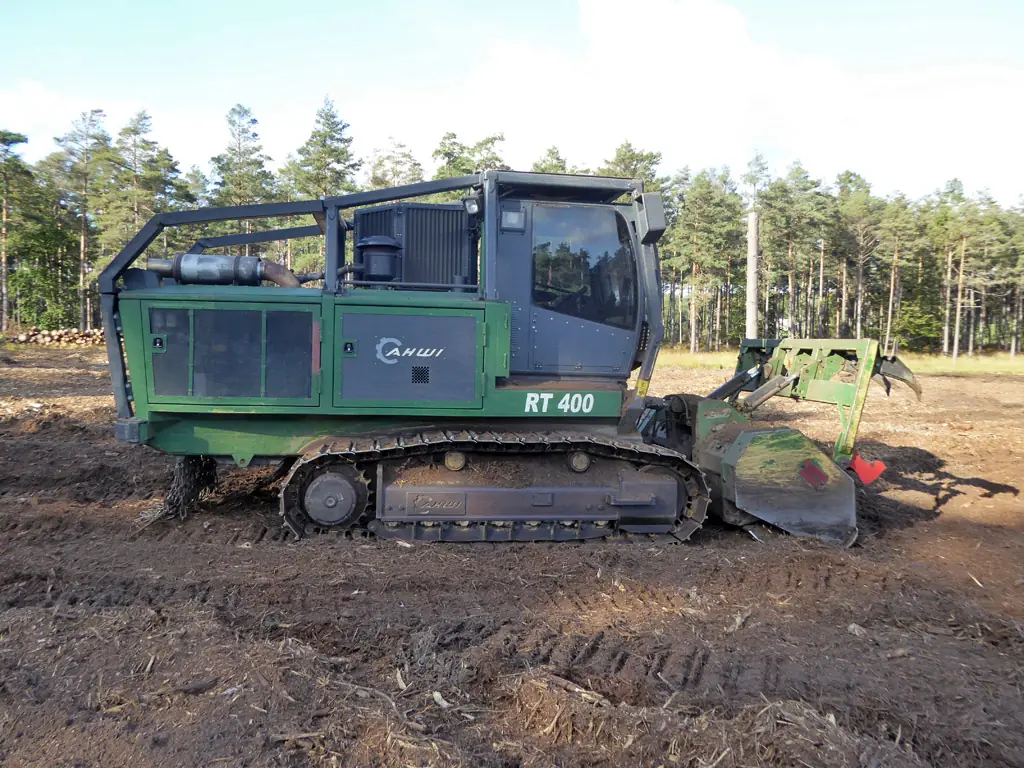
Buckthorn is the most common reason a central Wisconsin woods turns into a wall. Common buckthorn and glossy buckthorn, along with the non-native bush honeysuckles, are on Wisconsin's restricted invasive species list under the DNR's NR 40 rule. They leaf out earlier and drop their leaves later than native shrubs, shade out wildflowers and young oaks, and spread wherever birds drop the berries. By the time most landowners notice, the understory is solid buckthorn from the ground to about fifteen feet. A forestry mulcher is the fastest way to knock a thicket like that back: it grinds the stems to the ground and leaves the mulch to hold the soil. But buckthorn re-sprouts hard from a cut stump, so mulching alone is only the first step. What actually beats it is follow-up: treating the cut stumps or the fresh sprouts, and coming back the next season for the seedlings that come up from the seed bank. We'll lay out what that follow-up looks like on your land and price it in writing before work starts.
What's included
- Common and glossy buckthorn mulched to the ground
- Bush honeysuckle, multiflora rose and other invasive shrubs
- Native trees and shrubs flagged and kept
- Regrowth plan for the stump sprouts and seedlings
- Optional follow-up visits for re-sprouts the next season
- Work on frozen ground in winter, when buckthorn is easy to spot and the soil is protected
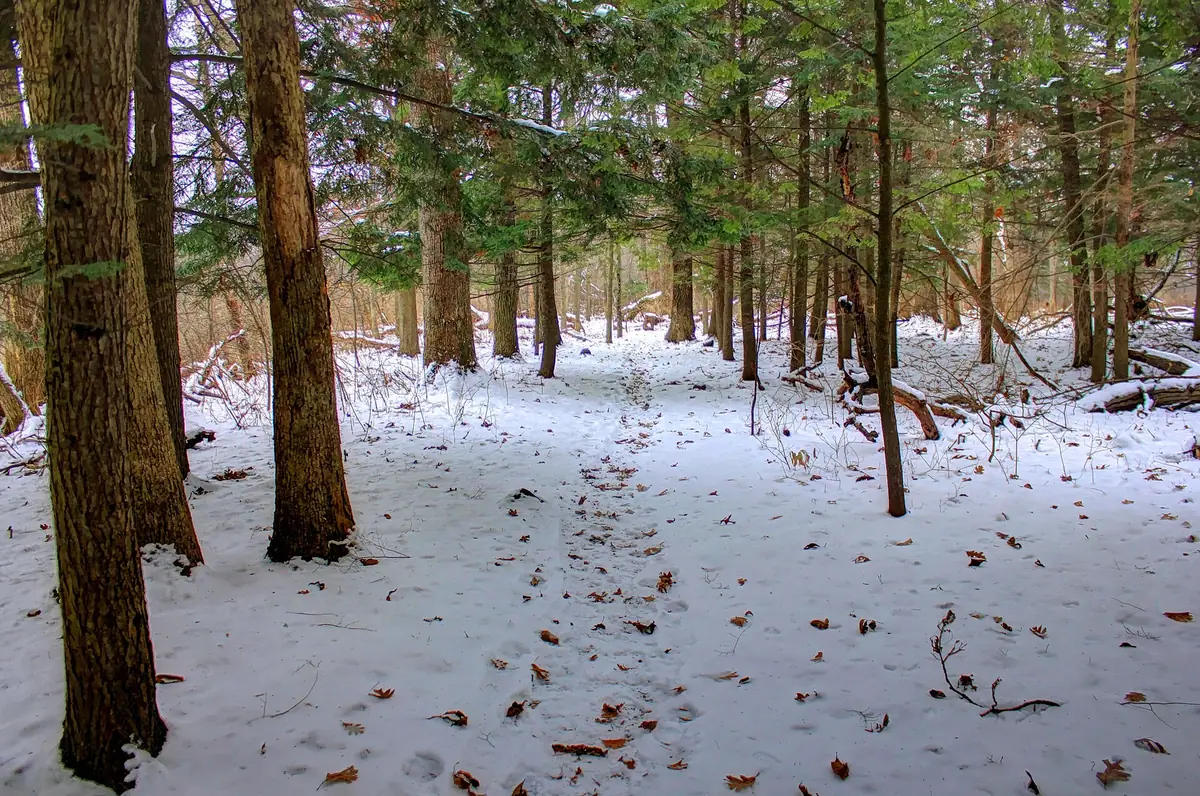
- Woods opened back up for native plants, oaks and walking trails
- A written price before work starts
Sound like your property?
If any of these sound familiar, tell us about the land. We'll tell you what it probably needs, confirm it on a walk-through, and give you a written price before any work starts.
- The understory is a dense wall of shrubs that stay green into November
- Dark purple-black berries hang on the shrubs into winter
- Nothing grows on the forest floor under the thicket
- You've cut buckthorn before and it came back thicker
- You want native plants and young oaks to have a chance
You may also need
Buckthorn & Invasive Brush — FAQs
Yes, if nothing else is done. Buckthorn re-sprouts from cut stumps and from years of seed in the soil. The usual approach is to mulch the thicket, treat the stump sprouts the following growing season, and then pull or spot-treat seedlings for a few years until the seed bank runs out. See buckthorn removal in Wisconsin.
Common and glossy buckthorn are listed as restricted invasive species under Wisconsin’s NR 40 rule. That means you can’t sell or transport them, but you aren’t required to remove them from your own land. The Wisconsin DNR encourages control because they spread so fast.
Late fall and winter. Buckthorn holds its green leaves after native shrubs drop theirs, so it’s easy to pick out in November, and frozen ground in winter protects the soil and lets a mulcher get onto wetter sites.
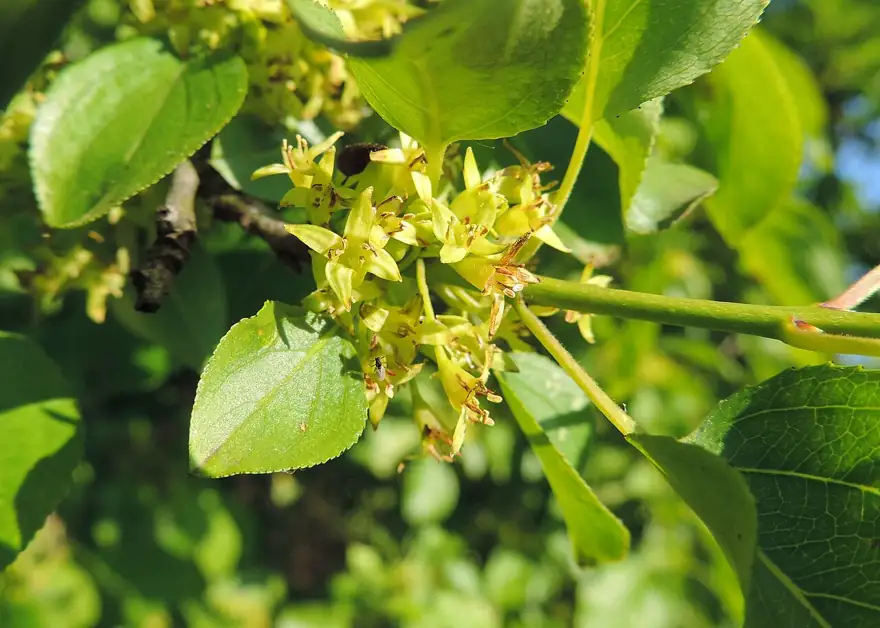
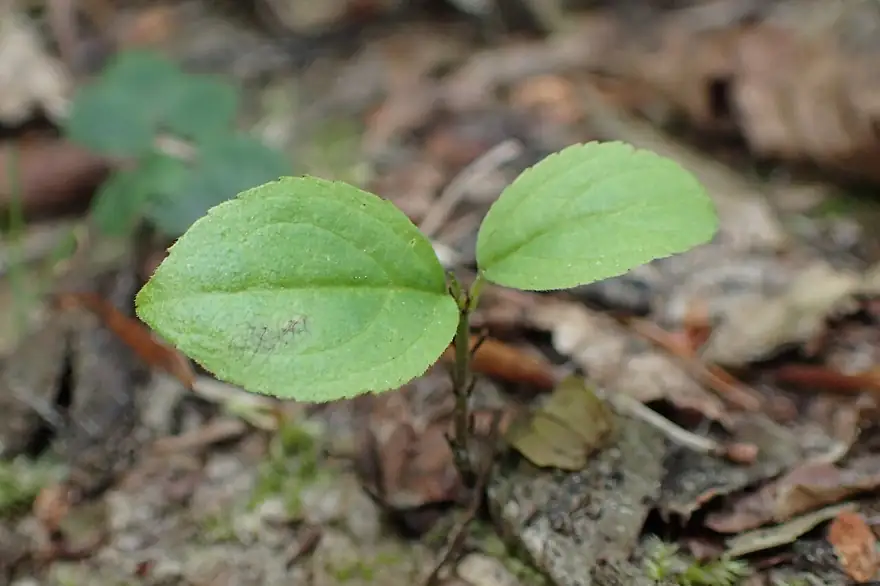
Common buckthorn has oval leaves with finely toothed edges and curved veins, often a small thorn at the tip of a twig, orange inner bark when you scratch it, and dark purple-black berries that hang on into winter. Glossy buckthorn has shiny, untoothed leaves. If you’re not sure, we can identify it on the walk-through.