Forestry Mulching in Wausau, WI
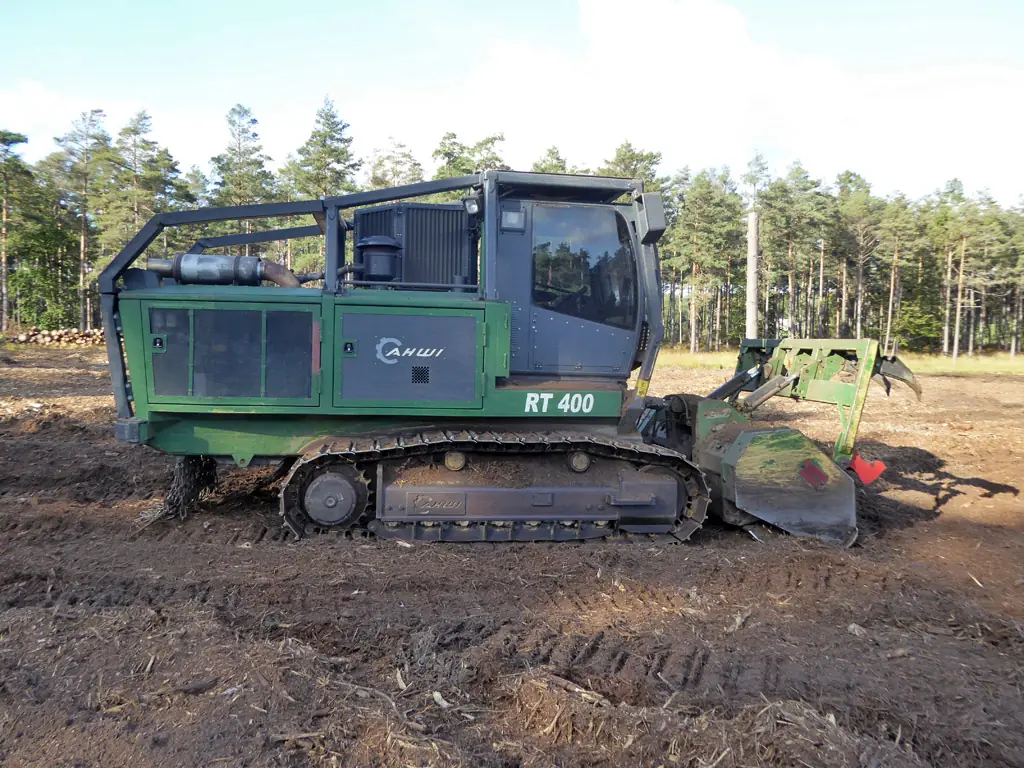
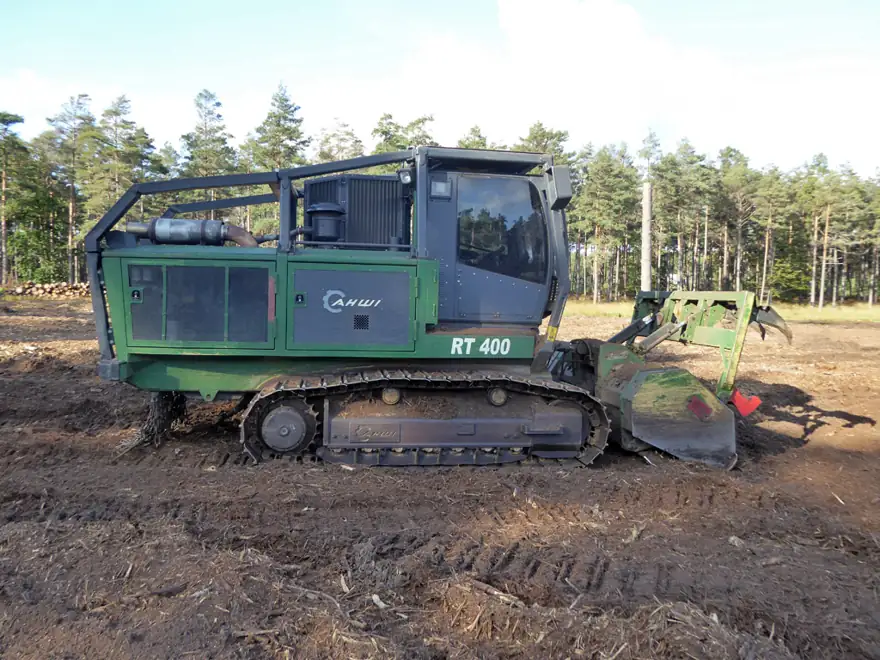
Forestry mulching clears land with a single machine: a tracked carrier with a spinning drum of carbide teeth on the front. It walks up to a tree or a clump of brush, cuts it, and grinds the whole thing, trunk, limbs and leaves, into chips that fall back on the ground as a layer of mulch. There is nothing to pile, burn or haul away, and because the machine rides on rubber tracks over the mulch it makes, the topsoil and root mat stay where they are. Around Wausau that matters. Much of central Wisconsin is sandy or silty soil that washes and ruts easily once it's bulldozed bare, and a lot of the land people want opened up is wooded acreage they plan to keep partly wooded. Mulching lets you take out the brush, the buckthorn and the junk trees, keep the oaks, maples and pines you want, and walk away with ground that's ready to seed or simply enjoy.
What's included
- A walk of the property first, with the trees you want to keep flagged
- Brush, saplings and trees up to about 6–8 inches mulched in place
- Larger trees felled and mulched, or left for firewood if you want the wood
- Stumps ground to roughly ground level as the machine works
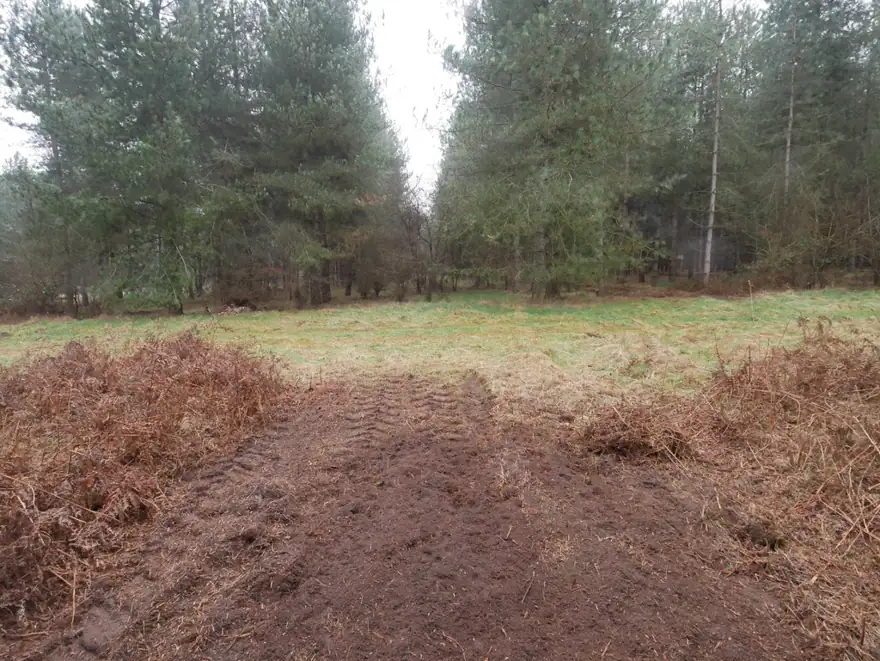
- Mulch left as an even layer that holds soil and blocks regrowth
- Tracked, low-ground-pressure machines that don't rut lawns or trails
- No burn permits, no burn piles and no haul-away fees
- Work on frozen ground through the winter
- A written price before work starts, by the acre or by the hour
Sound like your property?
If any of these sound familiar, tell us about the land. We'll tell you what it probably needs, confirm it on a walk-through, and give you a written price before any work starts.
- You have acreage that's grown up so thick you can't walk it
- You want the brush and junk trees gone but the good trees kept
- You were quoted a dozer and burn piles and don't want the mess
- You need ground opened up for a cabin, pole barn, trail or food plot
- Buckthorn or honeysuckle has taken over the understory
You may also need
Forestry Mulching — FAQs
Most jobs land between about $500 and $3,000 per acre. Light brush is at the bottom of that range, and dense woods with a lot of 6–8 inch trees are at the top or above it. Most contractors price by machine hour (typically $175–$275 an hour with an operator) plus a trip charge for hauling the machine. See the cost per acre guide or try the cost calculator.
A skid-steer or compact track loader mulcher handles brush and trees up to about 6–8 inches comfortably. Bigger dedicated carriers can take larger trees, but it gets slow and costly. Above that size, felling the tree first and mulching the top, or leaving the trunk for firewood, usually makes more sense. More in how big a tree a mulcher can handle.
It stays on the ground as an even layer, usually a few inches deep. It holds the soil, keeps weeds and brush from coming right back, and breaks down over a few years. If you want grass or a food plot there, the mulch can be worked in or partly raked off. See what to do after forestry mulching.
It grinds stumps down to roughly ground level as it works, which is fine for woods, trails and most yards. For a lawn you'll mow, a building pad or a garden, stumps should be ground below grade, which is a separate step. See can a forestry mulcher grind stumps?
Yes, and on a lot of central Wisconsin ground it's the best time. Frozen soil carries the machine without rutting, wet and swampy edges become reachable, and brush is easy to see with the leaves off. Deep snow slows things down, so the best stretch is usually after the ground freezes and before the snow gets deep. See the best time to clear land in Wisconsin.