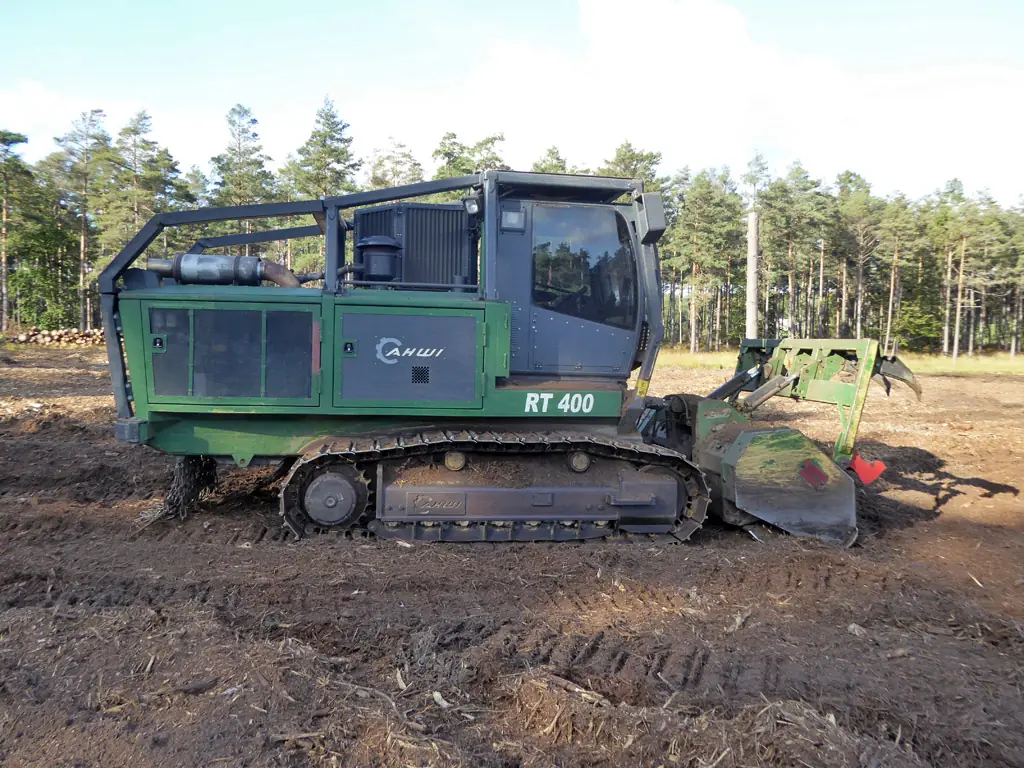
Right after a forestry mulcher leaves, your land is covered in a layer of fresh wood chips. What comes next depends on what you want the ground to become. Here are the four most common plans around Wausau and what each one takes.
Option 1: Leave it as open woods
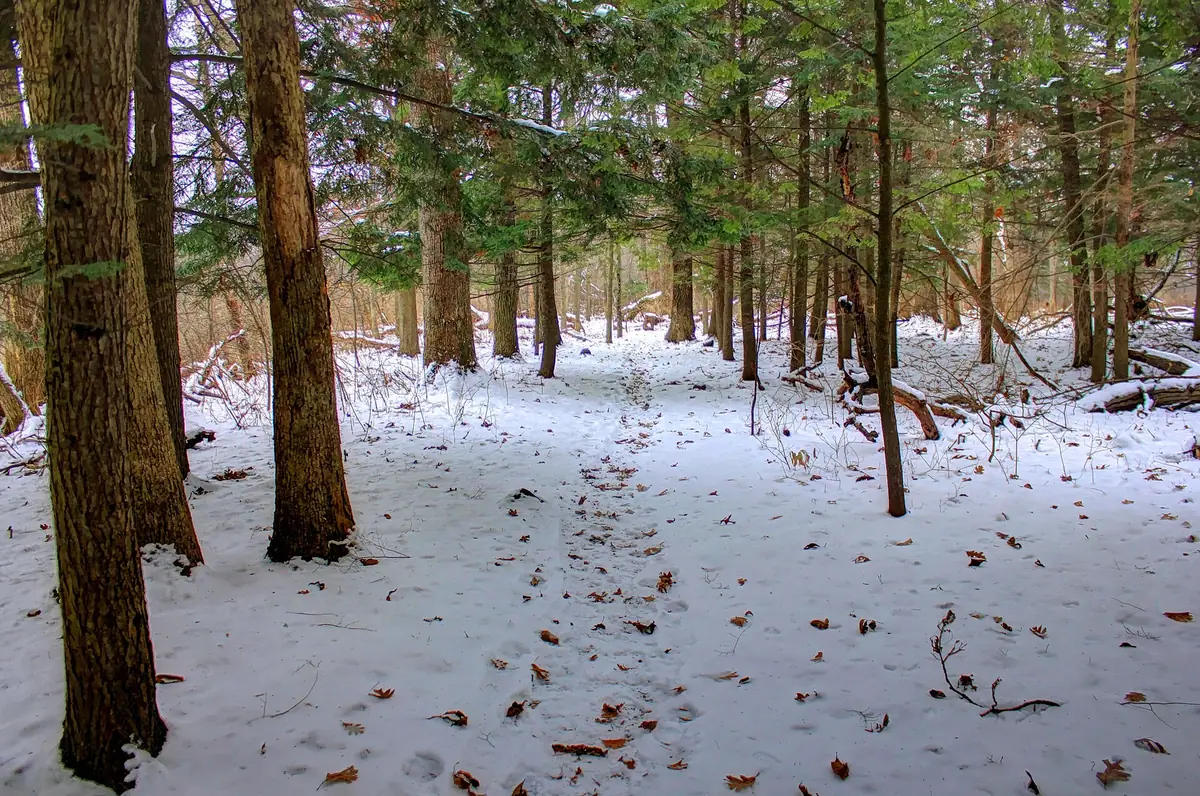
If the goal was a walkable woods, a trail or a cleaned-up understory, the easiest answer is to leave it. The mulch breaks down over two to four years and native plants come up through it. Plan on:
- Watching for buckthorn and honeysuckle sprouts the next summer, and treating them before they get established. See buckthorn removal in Wisconsin.
- A light touch-up pass every few years with a mulcher or brush hog on trails and edges.
Option 2: Seed it to grass or a cover crop
Thin mulch (an inch or two) can be seeded directly in many cases. Thick mulch should be partly raked off or worked into the soil first. Fresh wood chips tie up nitrogen in the top inch of soil while they decompose, so new seedings tend to look yellow and weak without help. Steps that work in central Wisconsin:
- Soil test through UW–Madison’s soil lab or your county Extension office. Much of the area runs acidic and needs lime.
- Work in or thin the mulch with a disk, tiller or harrow.
- Add nitrogen above the normal rate to offset what the chips tie up.
- Seed at the right time: late summer (mid-August to early September) is the most reliable window for cool-season grasses here, with spring as a second choice. A winter rye cover crop is forgiving in fall.
Option 3: Plant a food plot
Treat a newly mulched food plot like the grass seeding above, but more aggressively: disk it hard, lime according to the soil test, and pick a forgiving first-year crop. Winter rye, oats, clover and brassicas are common choices in Marathon and Lincoln counties. Expect the plot to get better each year as the chips break down. More in clearing hunting land for food plots.
Need land cleared near Wausau?
Wausau Forestry Mulching clears lots, brush, buckthorn, trails and hunting land across central Wisconsin, mulched in place with a written price before any work starts. Request a quote online and we’ll call you back.
Option 4: Turn it into lawn
Lawn is the most work, because a mower needs a smooth surface with nothing sticking up:
- Grind stumps below grade, typically 6–12 inches, so they won’t catch the mower or sprout. See stump grinding.
- Remove most of the mulch from the lawn area, or work it in deeply, then rake out roots and debris.
- Bring in topsoil where the ground is uneven or sandy, grade it, and seed or sod.
Many people clear a bigger area with mulching and turn only the part near the house into true lawn, leaving the rest as mowed meadow or open woods.
Keeping brush from coming back
- Mow once a year on ground you want open. A brush hog pass in late summer stops woody sprouts.
- Treat invasive sprouts the first growing season after clearing.
- Get something growing. Bare mulch is an invitation; grass or a cover crop competes with brush seedlings.