Lake Lot & View Clearing in Central Wisconsin
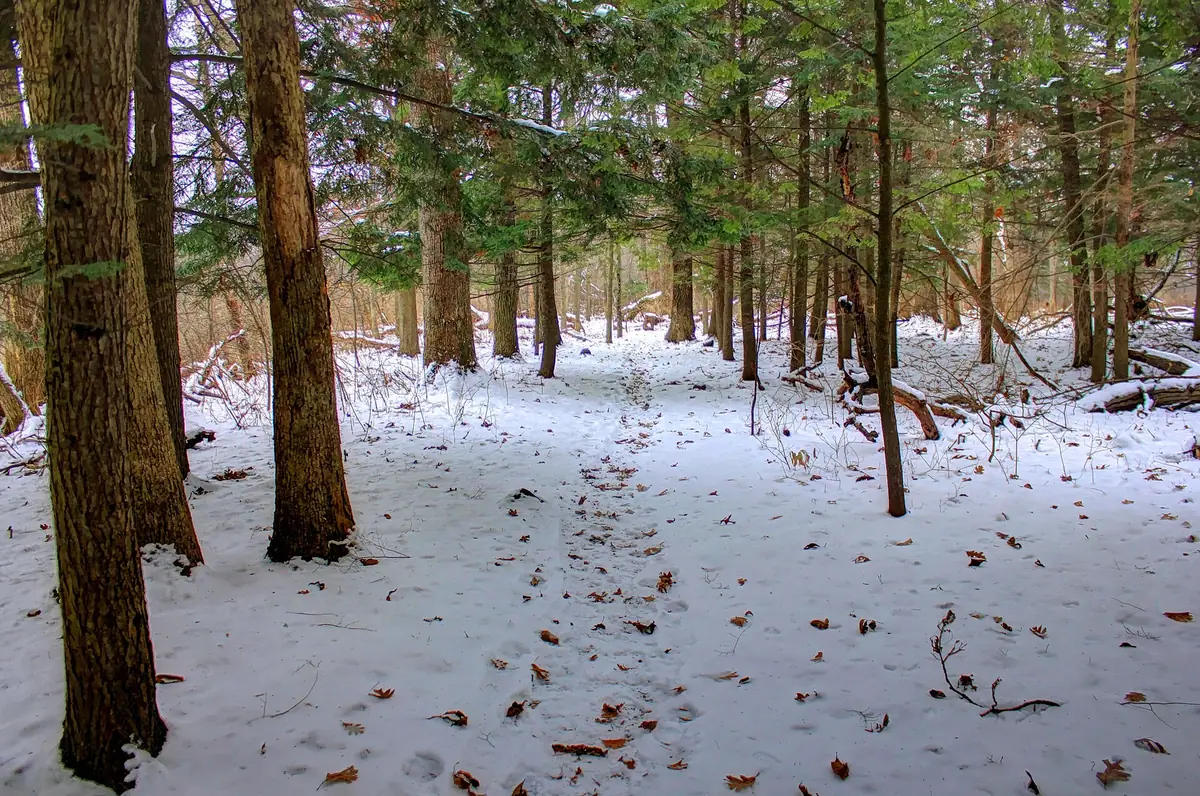
Lake and river lots around Lake Wausau, Lake DuBay, the Wisconsin River flowages and the lakes up toward Tomahawk and Rhinelander are some of the most wooded property we work on, and the most regulated. Wisconsin's shoreland zoning rule, NR 115, has every county keep a vegetative buffer zone along the water, at least 35 feet back from the ordinary high-water mark, where clearing is limited. Counties allow a viewing and access corridor through that buffer, with the width and the rules set by the county ordinance, and some counties require a permit or a vegetation plan. Outside the buffer you have much more freedom. That's why lake lot work starts with the county's rules, not the machine. We walk the lot with you, mark the buffer and the corridor you're allowed, and clear the brush, dead-fall and junk trees outside it, plus the corridor itself where the county allows it. Done that way, you get the view, the path to the dock and the cabin site without a zoning violation or erosion into the lake.
What's included
- Buffer zone and allowed corridor marked before any clearing
- View and access corridor to the water cleared to county limits
- Underbrush, dead-fall and invasive brush cleared outside the buffer
- Cabin, garage and septic sites opened on lake lots
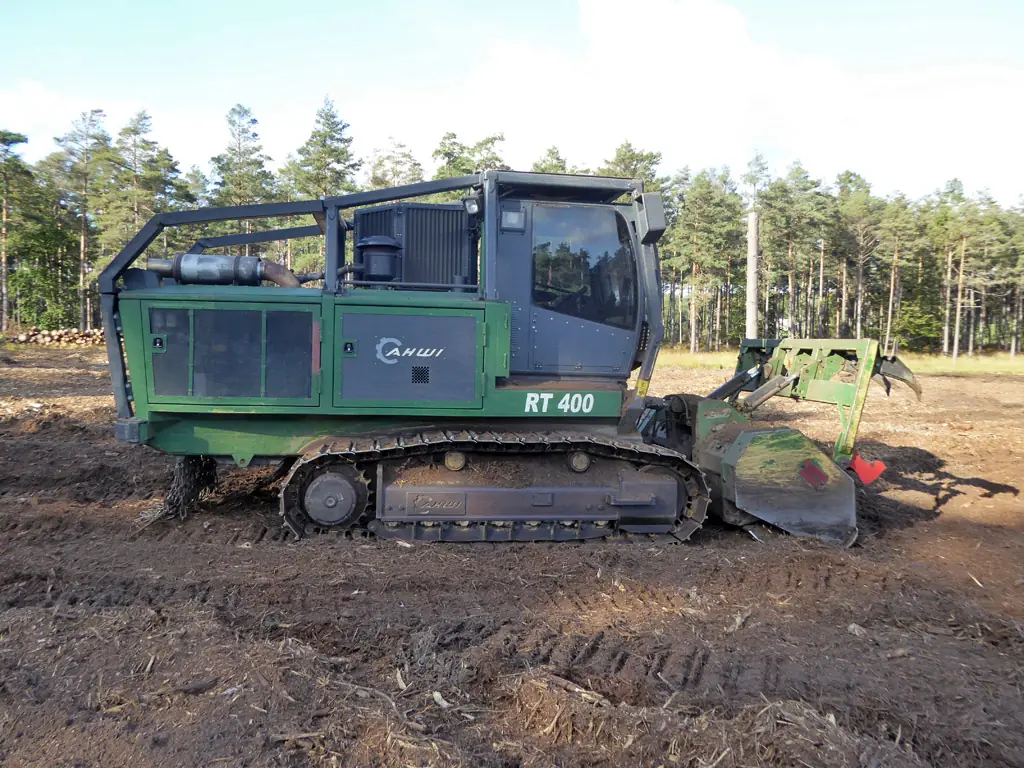
- Compact machines that leave the root mat and soil in place
- Mulch left on slopes to hold soil and protect the water
- Advice on what your county's permit process looks like
- A written price before work starts
Sound like your property?
If any of these sound familiar, tell us about the land. We'll tell you what it probably needs, confirm it on a walk-through, and give you a written price before any work starts.
- You can't see the water from the cabin anymore
- You want a path down to the dock or shore
- A new lake lot needs a cabin site opened up
- Buckthorn and dead-fall are filling in the lot
- You're not sure what the shoreland rules let you clear
You may also need
Lake Lot & View Clearing — FAQs
Wisconsin’s shoreland rule (NR 115) has counties keep a vegetative buffer at least 35 feet back from the ordinary high-water mark, with clearing limited to an allowed viewing and access corridor. Your county’s shoreland zoning ordinance sets the details, so check with the county zoning office before any clearing near the water.
Often not for work outside the shoreland buffer, but some counties require a permit or a vegetation plan for clearing inside the shoreland zone. A quick call to the county zoning office answers it, and we can help you describe the work.
Not when it’s done right. Mulching leaves roots and soil in place and covers the ground, which is why it’s the gentlest way to clear a slope. We leave the buffer vegetated and the mulch layer on slopes.