Pasture & Field Reclamation in Central Wisconsin
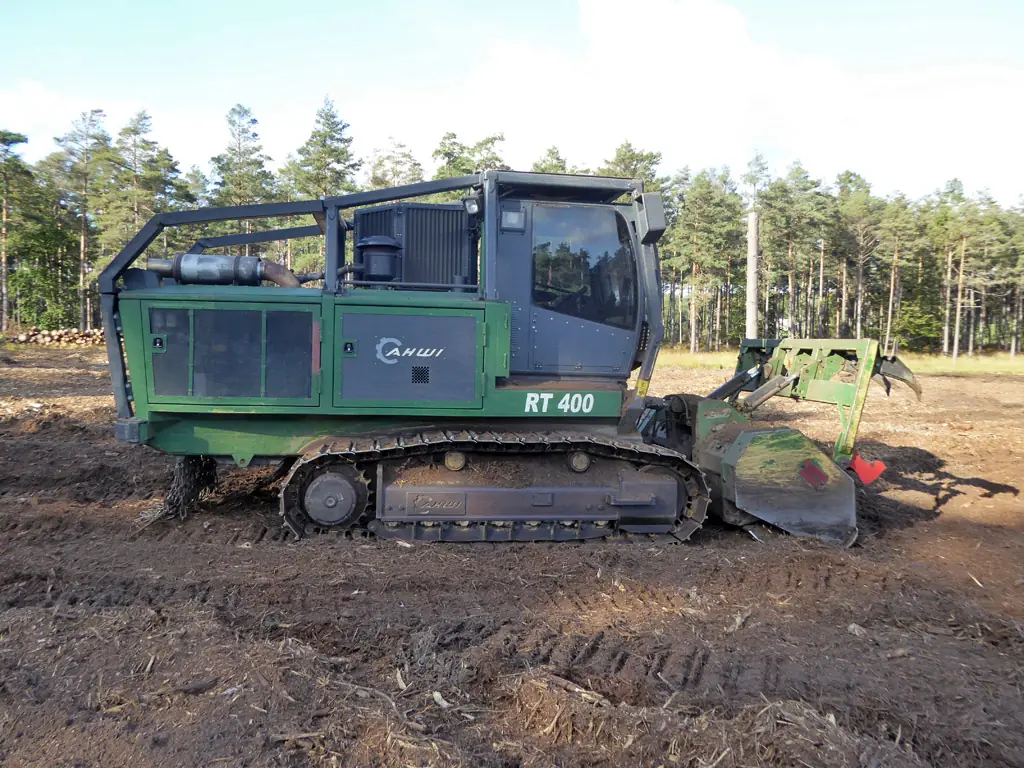
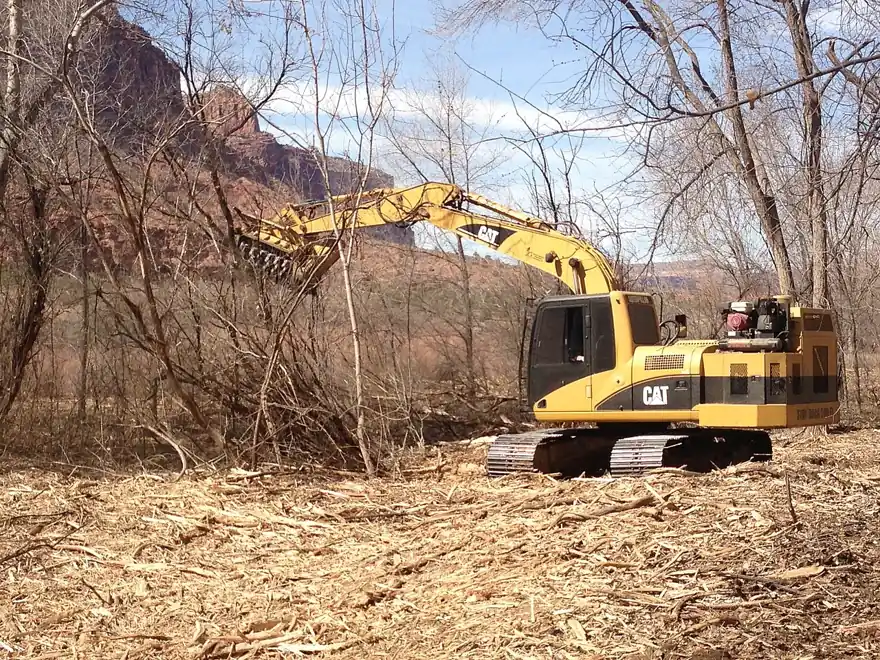
All across Marathon, Clark, Taylor and Portage counties there's farm ground that has quietly gone back to brush. A pasture stops getting grazed, a hay field gets left for a few years, a fence row creeps outward ten feet at a time, and before long there's a stand of aspen, box elder and dogwood where cows used to be. Bringing that ground back is a good fit for forestry mulching. The brush and young trees get ground into the soil surface instead of being pushed into piles that take up an acre and never get burned. Stumps get ground to grade so a disk or a no-till drill can get across. We work with landowners getting ground ready to rent out, new owners putting cattle or horses back on a farm, and farmers who want their field edges back where the fence used to be. You get a written price before work starts, and we can schedule around crop timing and frozen ground.
What's included
- Overgrown pasture and hay ground mulched back to open ground
- Aspen, box elder, ash and dogwood stands cleared
- Field edges pushed back to the original fence line
- Stumps ground to grade for tillage, seeding or haying
- Fence rows cleared for new fence
- Ditches and waterways brushed out
- Scheduling around crop timing and frozen ground
- A written price before work starts
Sound like your property?
If any of these sound familiar, tell us about the land. We'll tell you what it probably needs, confirm it on a walk-through, and give you a written price before any work starts.
- A pasture or hay field has filled in with brush and young trees
- Field edges are creeping in year after year
- You bought a farm and want the fields productive again
- Old fence rows are now wide strips of trees
- You want ground ready to rent, graze or plant
You may also need
Pasture & Field Reclamation — FAQs
Usually after tillage. The mulch layer ties up nitrogen as it breaks down, so most fields get disked or tilled, limed and fertilized based on a soil test, then seeded. See what to do after forestry mulching.
On brushy pasture with small trees it often is, because there are no piles to burn or haul and no topsoil pushed into windrows. On ground with lots of big trees, a combination of felling, logging and mulching can be cheapest.
Sometimes. Programs through the USDA NRCS and county land conservation departments occasionally help with brush management and grazing improvements. Check with your county land conservation office before work starts, because most programs won’t pay for work already done.